Backup Power Installed Right the First Time
Pro Power Electric installs Generac home generators for residential and commercial properties in Charlotte, North Carolina.
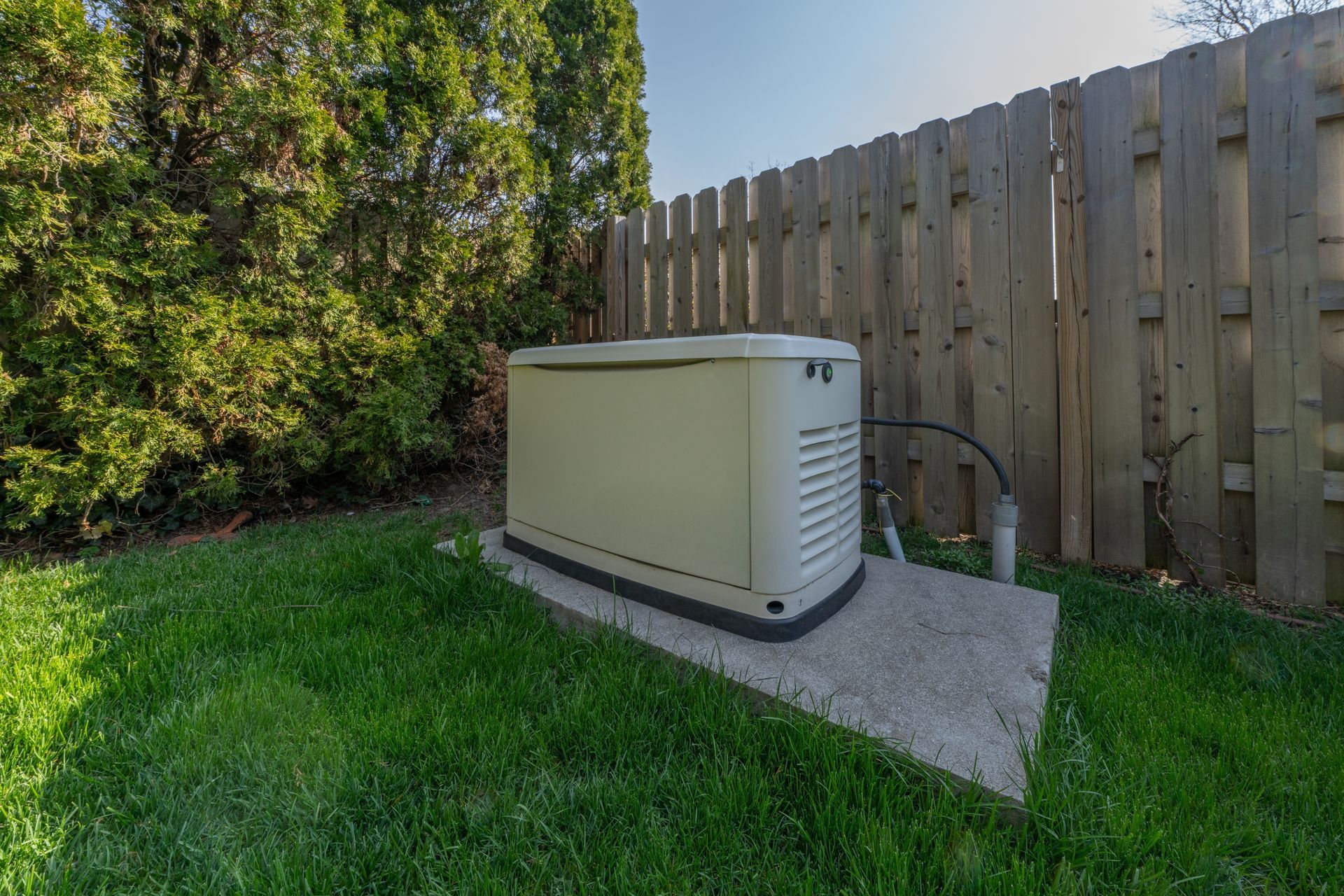
Your generator must connect to your electrical panel through a transfer switch that isolates your home from the utility grid the moment an outage occurs. Pro Power Electric installs Generac generators for homes and businesses in Charlotte, ensuring every connection meets code and the system transitions seamlessly from utility power to generator power without manual intervention. We handle the wiring, transfer switch setup, fuel line connection, and final testing so your backup power is ready when storms or grid failures interrupt service.
We begin by confirming your generator is positioned according to manufacturer clearances and local setback rules, then run conduit from the generator to your electrical panel and install the transfer switch that monitors utility voltage. Once the electrical connections are secure, we connect the fuel supply, program the controller, and run a full load test to verify every circuit behaves as expected. In Charlotte, we work with typical residential panel layouts and are familiar with permitting requirements across the metro area.
Schedule a home generator installation consultation with Pro Power Electric today.
Transfer Switches and Electrical Connections Explained
The transfer switch is the brain of your generator system, monitoring incoming utility power and signaling the generator to start when voltage drops or disappears entirely. We mount the switch near your main panel in Charlotte, run dedicated circuits to the generator, and program it to match your power priorities. You will hear the generator start automatically within ten to fifteen seconds of an outage, and your selected circuits will restore power without requiring you to reset breakers or go outside.
After installation, your lights, refrigerator, heating system, and other critical loads will remain operational during outages. The generator runs until utility power returns, at which point the transfer switch reconnects your home to the grid and shuts the generator down in a controlled sequence that prevents wear on the engine.
We coordinate inspections with local authorities to verify the installation meets National Electrical Code standards and manufacturer specifications. If your property requires a gas permit for fuel line work or a mechanical permit for exhaust venting, we submit those applications and schedule inspections at the appropriate stages. This process ensures your system is legally compliant and eligible for warranty coverage.
Common Questions Before Installation Day
Homeowners preparing for generator installation often have questions about timing, site preparation, and what to expect during the work, so we have addressed the most common concerns below.
Pro Power Electric completes generator installations throughout Charlotte with attention to code compliance, transfer switch programming, and fuel line connections. Contact us to schedule an installation consultation and receive a project timeline.